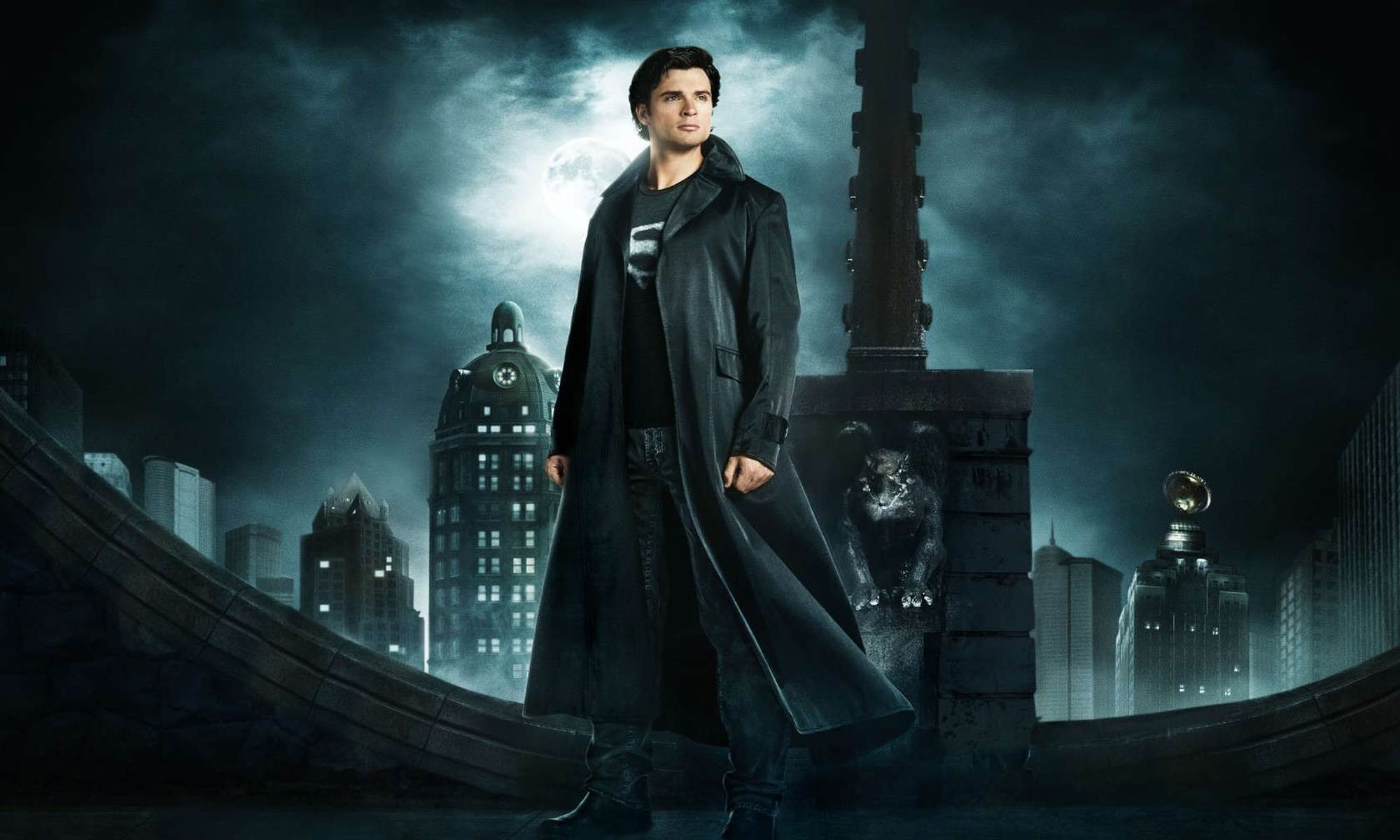
Superman’s Song

Tom Welling sits across from Joe Jukic in the dimly lit recreation room of the psych ward โ€” the one with the broken foosball table and the humming fluorescent light. The TV in the corner plays Smallville reruns on mute.

Tom Welling: (grinning faintly) You know, Joeโ€ฆ I made a lot of money playing Superman. More than I ever dreamed. But youโ€”Red Son Joeโ€”you made sweet nothing.

Joe Jukic: (smirks, leaning back in his chair) Yeah, well, thatโ€™s the difference between playing Superman and being one. I didnโ€™t need a contract โ€” I had consequences.

Tom: (chuckles) You talk like you lived through an alternate script.

Joe: I did. In mine, Superman didnโ€™t fall from the sky โ€” he fell from grace. Red Son, they called him. Not from Kryptonโ€ฆ but from Croatia.

Tom: That sounds more like a psych ward mythos than a comic.

Joe: Thatโ€™s the thing, Tom. The ward is the mythos. This place is Arkham for the unacknowledged heroes โ€” the ones who didnโ€™t get syndication deals.

Tom: (sighs, thoughtful) Maybe thatโ€™s why Iโ€™m here too. You play Superman long enoughโ€ฆ you start believing you can save people. Then one day, you realize you canโ€™t even save yourself.

Joe: (nods) Welcome to the Red Son reality, brother. No cape. No glory. Just truth serum and cafeteria coffee.

(They share a quiet laugh. The nurse passes by, eyeing them like two overgrown kids who still believe in miracles.)

Tom: So tell me, Joe โ€” whatโ€™s next for Red Son?

Joe: Iโ€™m writing the sequel in my head. Superman joins the psych wardโ€ฆ and learns what it really means to be human.

INT. PSYCH WARD โ€“ NIGHT
The lights flicker again. Joe Jukic sits on the bed, sketching a sigil that looks like the Superman โ€œS,โ€ but cracked down the middle. Tom Welling leans against the wall, eyes distant.

Tom Welling:
You remember, Joe? That night in your basement of solitudeโ€ฆ when we broke the seal?

Joe Jukic:
How could I forget? I thought it was a game at first. You called it the Masonic lock. Said the world was built on it.

Tom: (half-smiling)
And when it cracked, manโ€ฆ you said weโ€™d opened the vault of truth.

Joe:
You were the witness. Thatโ€™s all I needed. Somebody who saw it, who wasnโ€™t afraid.

Tom:
I helped all I could. I didnโ€™t know how deep it went back then. I thought we were just playing mythologists โ€” Superman and the Red Son decoding the worldโ€™s symbols.

Joe: (staring through him)
We were. But the symbols were real.

(Tom sits beside him, lowering his voice.)

Tom:
My old man โ€” the one who played my dad on Smallville โ€” he told me things before he died. He said historyโ€™s not what it looks like. That the towers, the fall, the fire โ€” it was a controlled burn. A demolition of truth, not just buildings.

(Joe listens in silence. The hum of the fluorescent light turns into a low, almost sacred tone โ€” the kind that makes the air feel alive.)

Joe:
And you believed him?

Tom:
I didnโ€™t want to. But once youโ€™ve seen the seal break, you start seeing the cracks everywhere else.

(Joe closes his notebook. The sigil glows faintly under the light โ€” a reflection, or maybe something more.)

Joe:
Then maybe the psych ward isnโ€™t punishment, Tom. Maybe itโ€™s initiation.

Tom: (smiles faintly)
You always had the better script, Red Son.

(They sit in silence, the TV playing muted images of Superman flying โ€” but now it looks like surveillance footage. A nurse walks by, turns the volume up just a little, and the theme music echoes faintly through the hall.)

INT. PSYCH WARD โ€“ NIGHT
The rain taps against the barred window. The muted Smallville episode on TV shows Clark Kent discovering his powers for the first time. Tom and Joe sit side by side, both staring at it like itโ€™s a memory.

Tom Welling:
You know, Joeโ€ฆ people forget where Superman really came from. He wasnโ€™t born under a red sun or blue sky. He was born between wars. Back when the world was still arguing over what a โ€œsuper manโ€ should mean.

(He looks down, voice quiet.)

In Nazi Germany, they twisted the idea โ€” made it about bloodlines, perfection, strength without mercy. Their Superman was a god without grace.

Joe Jukic:
And America made him a savior in tights.

Tom: (smiling sadly)
Yeah. They polished him up. Truth, justice, the American way. But even that can turn into propaganda if you stare too long.

(He turns to Joe, sincere now.)

You know what Iโ€™m glad about? That I met you here.

Joe:
In the ward?

Tom:
Yeah. Without this placeโ€ฆ there wouldnโ€™t have been Red Son.

(Joe tilts his head, curious. Tom continues.)

It came out a year after we talked about your family โ€” your parents fleeing Yugoslavia, leaving everything behind. I told one of the writers about your story, about a world where Superman doesnโ€™t land in Kansas but in a field somewhere east of Zagreb. A place where the people believed in sharing, not hoarding.

Joe: (smiling faintly)
A Superman who gives till it hurts.

Tom:
Exactly. A man who doesnโ€™t belong to one flag. A man who shares the light. Thatโ€™s what Red Son was about โ€” a tribute, in a way, to youโ€ฆ and to them.

(Joe nods, his eyes glinting with emotion.)

Joe:
My old man wouldโ€™ve liked that. He used to say, โ€œThe real superman is the one who lifts others.โ€

Tom:
Then he already understood it.

(They both look at the TV again โ€” Clark Kent standing in the sunlight, uncertain but brave. The light from the screen flickers over their faces like firelight.)

Joe:
Funny, huh? Two guys locked up in here talking about saving the world.

Tom:
Maybe thatโ€™s where all the real heroes start. Not in a fortress of solitudeโ€ฆ but a ward of truth.

(They share a quiet, knowing laugh. The nurse switches off the TV. Darkness returns, but the mood is warm โ€” a small victory between two fallen heroes who still believe in something greater.)

People of Croatia

Clark Kentโ€™s Address to the People of Boravia and Croatia:

Citizens of Boravia. Brothers and sisters of Croatia. Hear me now, not as Superman, but as a manโ€”Clark Kent, a reporter, a witness to the truth.

You are not responsible for every wound in the world. The refugee crisis in Gaza, as tragic and heartbreaking as it is, is not solely yours to bear. The burden must fall on those who played the greatest roles in shaping this tragedy: America, Canada, and Great Britain. These nations speak of human rights and international law, yet when it comes to Palestinian refugees, their borders suddenly close. The hypocrisy is unbearable.

Their doors have opened wide for countless othersโ€”from every war, every nationโ€”except for Palestinians. Why? Why are the displaced of Gaza treated as untouchables, as though they carry some invisible mark of exile?

Let this be clear: the people of Boravia and Croatia did not create this crisis. You should not be expected to solve it. You are not heartless to say โ€œNo.โ€ You are wise to say: โ€œLet those who broke it, fix it.โ€

And now, to those watching my blog, who follow the strange new world being shaped by powers beyond your voteโ€”by men like Bill Gates and Lex Luthorโ€”I must speak plainly.

Yes, the sex symbols, the influencers, the musesโ€”some of them are being cloned, simulated, perfected for what these men call the New Earth. Itโ€™s a sterile utopia for the elite. But my wish is different. Itโ€™s ancient. Itโ€™s human:

Let all the naked peopleโ€”those stripped by war, by love, by shameโ€”be clothed again in dignity. Let them find partners. Let them get married. Let them raise children. Let them build villages and not virtual worlds.

And if anyone asks me what kind of leader, what kind of man I want to be, I say this:

โ€œAn overseer must be above reproach, faithful to his wife, temperate, self-controlled, respectable, hospitableโ€ฆโ€
โ€” 1 Timothy 3:2

One wife. No harems. No tech-bro fantasies of endless pleasure on a cloned earth. No gods among men who treat women like code to be rewritten.

Let love be real again. Let families be strong again. And let each nation carry only its share of the world’s sorrowโ€”not the weight of sins it did not commit.

Thank you.
โ€”Clark Kent
Reporter. Witness. Son of Kansas.

Why Communism Failed 2

Title: Why Communism Failed: A Kryptonian Reflection on Usury
By Clark Kent (a.k.a. Superman)


Thesis: Communism failed not because of its ideals, but because it failed to abolish the ancient practice of usuryโ€”borrowing money at interestโ€”which ultimately corrupted both capitalist and communist societies alike.


Introduction

Most mainstream histories tell us that communism collapsed due to inefficiencies, corruption, or the suppression of individual freedoms. But these explanations, though not entirely wrong, only skim the surface. As a reporterโ€”and as someone whoโ€™s watched civilizations rise and fall across the starsโ€”I offer a deeper truth: communism was defeated not by democracy or the free market, but by an invisible enemy that neither Marx nor Lenin had the courage to confrontโ€”usury.

Usury, the practice of charging interest on loans, is an ancient engine of economic enslavement. While communism claimed to abolish private property and capitalist exploitation, it never eliminated the parasitic mechanism of debt-based currency. Instead, it merely replaced the bourgeois bankers with state apparatchiks who borrowed on behalf of the peopleโ€”locking entire nations into cycles of debt and stagnation.


Marx Ignored the Money Power

Karl Marx meticulously analyzed the ownership of the means of production. Yet he remained strangely silent on the issue of money creation and debt issuance, the real levers of power behind the curtain. Marx attacked the capitalist, the factory owner, and the landlordโ€”but not the lender.

In truth, it doesnโ€™t matter whether the capitalist or the commissar runs the factory, if the money that builds it is borrowed at interest. Debt, like kryptonite, weakens any economic body from within. Interest-bearing loans create an impossible arithmetic: more must always be paid back than was borrowed, leading inevitably to collapse, either through inflation, confiscation, or default.


Soviet Borrowing: A Hidden Dependency

Though the Soviet Union publicly rejected capitalism, it quietly engaged in international borrowing from both Eastern Bloc and Western banks. These loans, often denominated in hard currencies like the U.S. dollar, put the Soviet economy under invisible foreign pressure.

Internally, the USSR operated on credit as well. State-owned banks issued loans to collective farms, industries, and municipalities. Though not explicitly called “interest,” fees, targets, and repayment schemes mimicked the usurious model. The supposed abolition of exploitation was replaced by a faceless bureaucracy that collected debts in the name of the people, while failing to stimulate innovation, productivity, or true autonomy.


The Illusion of Liberation

Communism promised to free workers from exploitation, but the tool of usury remained firmly embedded in its structure. Why? Because neither communism nor capitalism dared to confront the central lie of modern economics: money is created as debt, and interest must be paid, even if it means war, austerity, or starvation.

The worker in Detroit and the worker in Donetsk both ended up slavesโ€”not to capital or the commissarโ€”but to the creditor. The Soviet dream of full employment and class equality was crushed not by NATO bombs, but by the silent math of compound interest.


A Kryptonian Perspective

On Krypton, before its fall, our civilization banned usury. It was considered a crime against the collective soul. We understood that when money itself is treated as a commodity, it corrupts every institution. Law becomes debt collection. Education becomes a loan trap. Medicine becomes an interest-generating racket.

Earth, too, has known this wisdom. Ancient prophets, philosophers, and even the founders of major religions warned against lending at interest. Yet in modern times, this wisdom has been buried, discredited, and replaced by euphemisms like “credit score” and “APR.”


Conclusion

Communism failed not because it tried to eliminate inequalityโ€”but because it failed to eliminate usury. A truly just societyโ€”whether capitalist, socialist, or Kryptonianโ€”must place strict limits on the creation of debt, and reimagine money not as a tool of control, but as a public utility.

Until the world confronts usuryโ€”the root rot of both red and blue flagsโ€”no ideology will prevail. And no hero, not even Superman, can save a world enslaved by invisible chains of debt.


Byline: Clark Kent is a journalist at the Daily Planet, an immigrant from Krypton, and a passionate advocate for economic truth and human dignity.